

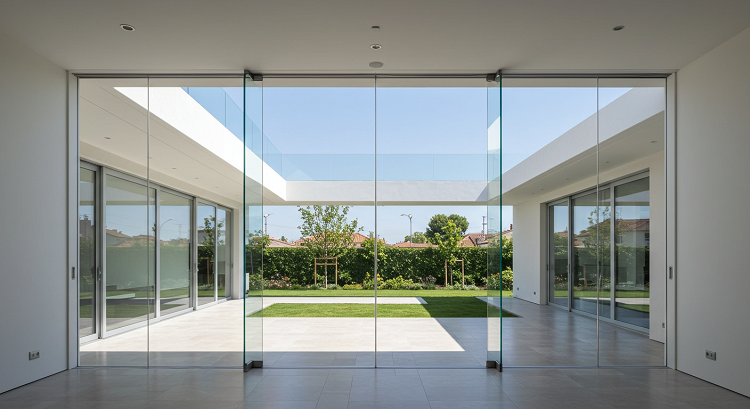
Our working methods are evolving. The walls are collapsing. Traditional offices with fixed barriers are giving way to more open designs. There is more to this alteration than just appearances. It also aims to improve communication amongst people. It facilitates the team members’ better understanding of one another. A major component of this trend is the use of glass in office design.
Table of Contents
Transparency Encourages Connection
Walls made of bricks or concrete feel closed and cold. These materials separate people. They limit eye contact and reduce the chances of casual conversation. Transparent barriers remove these limitations. They allow people to see each other. They create a sense of connection.
When colleagues can see others working they feel more included. They are more likely to speak up. They are also more likely to share ideas. When barriers are removed the workplace becomes more human. It becomes easier to ask questions. It becomes easier to give help. It becomes easier to work as a team. That is how open designs support a better environment.
Natural Light Lifts the Mood
Walls that block light create shadows. This makes the office look dull. But glass lets the light flow through. It brings brightness to every part of the space. This reduces eye strain. It reduces the feeling of being tired. It also improves moods. Natural light creates a healthier and happier team.
Visual Access Promotes Trust
Being able to see what is going on helps create trust. Workers feel they are part of something bigger. They can see progress. They can watch teamwork in action. This makes the office feel more alive. This makes the office feel more open.
Leaders also benefit. They can watch the team. They can understand how people work. They do not need to interrupt. They can observe in silence. This helps them support the team better. When people know they are being seen they stay focused. They stay responsible. Visual openness builds accountability without pressure.
The Role of the Glass Office Panel
A glass office panel changes how space is used. It offers structure without cutting off connection. It creates rooms that are quiet but still open. The panel keeps out noise. It gives privacy when needed. But it does not make people feel alone. It is different from a solid wall.
Using this type of panel makes the office more flexible. Teams can meet in private. They can also feel part of the larger space. Managers can talk with others without being fully closed off. The panel supports many kinds of work. It helps with solo work. It helps with group tasks. It blends privacy with visibility.
Openness Shapes Culture
Culture starts with the space. If an office feels closed people act that way. If it feels open people share more. They smile more. They support each other more. A transparent space shows that trust is important. It shows that connection matters. It sets the tone for the whole team.
Conclusion
The office says something about the people who work there. It tells them what is valued. It also tells them what kind of work is expected. When people feel included they give their best. When they see others working hard they do the same. That kind of environment helps everyone do better.